

Feverish and Frantic? ER or Urgent Care?

August 13, 2025

ER or Urgent Care? Know When to Go

It’s smart to have a plan before something goes wrong. If you’ve had an accident or have concerning medical symptoms, this guide can help you know when to choose the emergency department and when urgent care might better meet your needs.

Head Straight to the Emergency Room

Chest pain, slurred speech, uncontrolled bleeding: Any sign of a life-threatening condition warrants immediate attention and you should call 911.


Ambulances don’t just get to ignore traffic signals — they also come with emergency medical technicians. They can start treatment right away and keep you safe during transport.


Severe pain, head injuries, trouble breathing, major burns and suspected overdose are also good reasons to use emergency services — and good reasons to not drive yourself to the ER.

Consider Urgent Care

Urgent care can be a good choice when your situation isn’t serious enough for the hospital and your regular doctor isn’t available.


Services vary by location, but may include treatments for eye and ear infections, asthma and allergies, cuts and sprains, fractures, animal bites, rashes, vomiting and diarrhea.


Some urgent care centers aren’t open 24/7 and not everyone has one nearby. Virtual urgent care may be an option when in-person care is not.

Money Matters: Urgent Care vs. ER Costs

Emergency care can leave you with an unpredictable and hefty bill weeks later. Urgent care pricing is typically lower and available up front. When in doubt, prioritize your health and safety.
‍

Wondering how your health insurance covers emergency and urgent care visits? Reach out anytime for help understanding your coverage.

Man in a blue dress shirt reading a sheet of paperwork while seated in an office chair
November 25, 2026
Help employees complete benefits enrollment with five practical checks for HR teams, from unfinished elections to accurate coverage and payroll deductions.

Man in green T-shirt reviewing paperwork with a woman at an office desk
November 18, 2026
Learn how veterans using VA health care may be able to cover their spouse and children with a Marketplace plan, and how subsidies work for families.

Woman and older woman comparing plans on a laptop at a table with paperwork
November 11, 2026
Helping a parent or loved one with Medicare Annual Enrollment? Discover 5 tips for reviewing coverage, comparing plans, and preparing for 2027.

Two women smiling and sharing coffee mugs at a kitchen table
November 4, 2026
Want to help someone you love quit smoking? Learn how to start the conversation, offer support, handle setbacks, and encourage change without pressure.

White-haired man smiling behind a glass counter, writing on paper in a bright shop.
October 28, 2026
More Americans are retiring gradually. Discover how you can plan a phased transition and build financial confidence for the retirement you want.

Children in Halloween costumes trick-or-treat at a decorated house under a full moon
October 21, 2026
Keep Halloween safe and fun for the whole family. Use this simple checklist for costumes, pumpkins, trick-or-treating, candy, and driving safety this year.
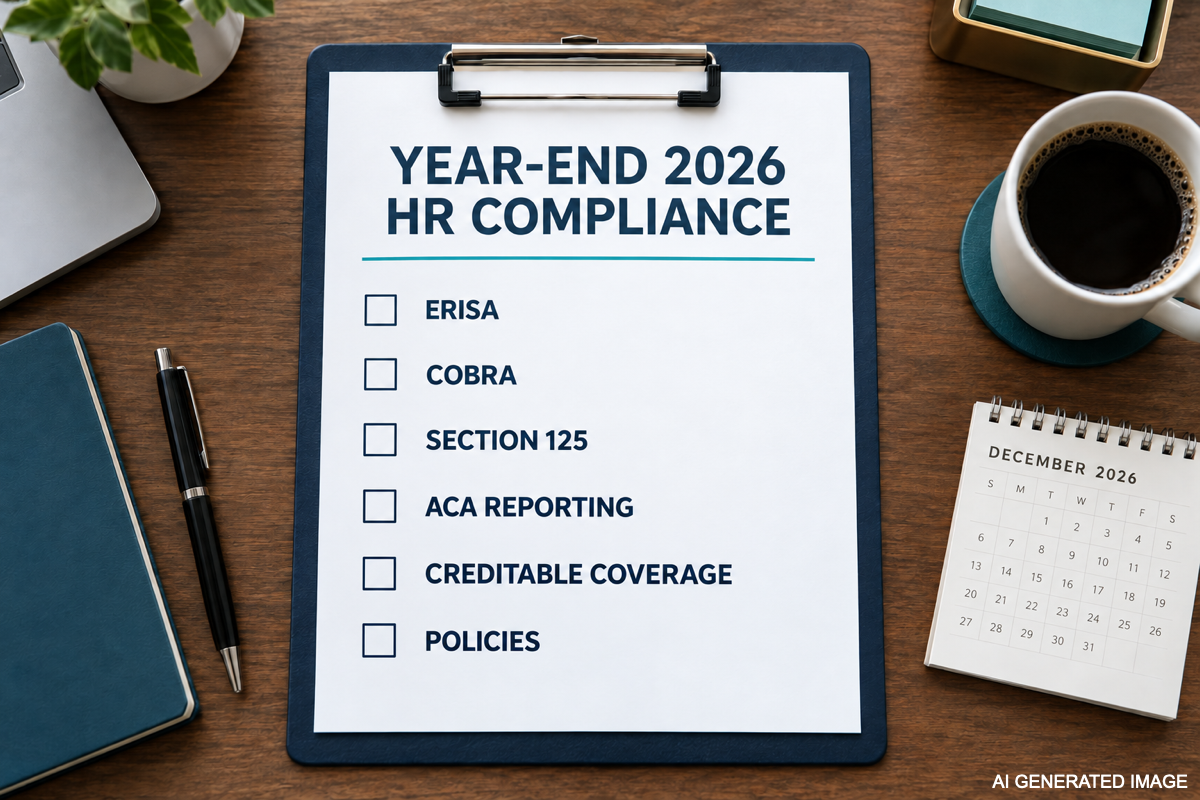
Clipboard checklist titled “Year-End 2026 HR Compliance” on a desk with laptop, pen, coffee, and notepad.
October 14, 2026
Essential HR compliance checklist for year-end 2026. Covers ERISA, COBRA, Section 125, ACA reporting, creditable coverage notices, and policy updates.

Man flipping through stacks of documents at a desk beside a lamp and curtains
October 7, 2026
ACA Marketplace Open Enrollment begins November 1 in most states. Learn what’s changing for 2027, including subsidies and plan designs, and what’s staying the same.

Assorted colorful pills and capsules scattered together in a close-up view
September 30, 2026
A temporary Medicare Part D premium program ends after 2026. Learn what it could mean for your 2027 drug plan costs and coverage.

Elderly man using a smartphone while a woman in pink assists him at home
September 24, 2026
Learn how Medicare enrollment can affect HSA contributions, why retroactive Part A coverage matters, and how to avoid potential excess contribution taxes.
Show More